
Studio
Why use the studio? The studio allows you to produce something that you had in your minds eye. Studio lighting gives you far more control over the illumination of your subject. You can brighten the photo by simply adjusting a switch, and take the same shot over and over again until it is perfected. However, this can lead to photos looking the same, since everything can be tweaked until its just right, unlike taking a photo outside where a cloud might stray over the subjects face, creating a sense of drama. That is not to say using the studio is a bad thing though.
 The simplest studio lighting set up is the standard two light system. The first light is the brighter of the two, and should be placed in front of the subject (between the subject and the camera) and slightly to my left. The light should be directly facing the subject. Since lighting of this type tends to be harsh, the light will be softened with a soft box. The second light shall be placed behind and slightly above the subject just out of frame. This is called the hair or rim light, and will create a soft halo of light around my subject.
Below is a few things I will be keeping in mind while I plan my shoots.
Why use the studio? The studio allows you to produce something that you had in your minds eye. Studio lighting gives you far more control over the illumination of your subject. You can brighten the photo by simply adjusting a switch, and take the same shot over and over again until it is perfected. However, this can lead to photos looking the same, since everything can be tweaked until its just right, unlike taking a photo outside where a cloud might stray over the subjects face, creating a sense of drama. That is not to say using the studio is a bad thing though.

Below is a few things I will be keeping in mind while I plan my shoots.
- Full on lighting can wash out skin tones, so when I am using the studio for taking shots for the poster, or website I will bounce light from the sides.
- When setting up a shot, I will be on the lookout for shadows that may cast awkward angles across the subject's face. This can also be applied to shooting outdoors as well.
Natural Light
Why use natural light? Shooting outdoors creates a sense of realism. The shot has to be well timed and wont always turn out how it was wanted. Outside the subject reacts to the weather conditions, a sudden gust of wind will make an interesting photograph rather than use a wind machine because of the surprise on the subjects face. Some of the best photographs are taken outside.
Hard Light
 Hard light is best at either end of the day, shortly after the sun has risen and just before it sets. Photographers call this period the golden hour, because of the quality of the light. If the sky is clear, the light is still hard, but it’s a great deal softer than in the middle of the day. It also comes at the subject from a low angle which reveals form and texture and is much more interesting than midday light. Hard light is also good for architecture and bringing out colours.


Why use natural light? Shooting outdoors creates a sense of realism. The shot has to be well timed and wont always turn out how it was wanted. Outside the subject reacts to the weather conditions, a sudden gust of wind will make an interesting photograph rather than use a wind machine because of the surprise on the subjects face. Some of the best photographs are taken outside.
Hard Light
 Hard light is best at either end of the day, shortly after the sun has risen and just before it sets. Photographers call this period the golden hour, because of the quality of the light. If the sky is clear, the light is still hard, but it’s a great deal softer than in the middle of the day. It also comes at the subject from a low angle which reveals form and texture and is much more interesting than midday light. Hard light is also good for architecture and bringing out colours.
Soft Light
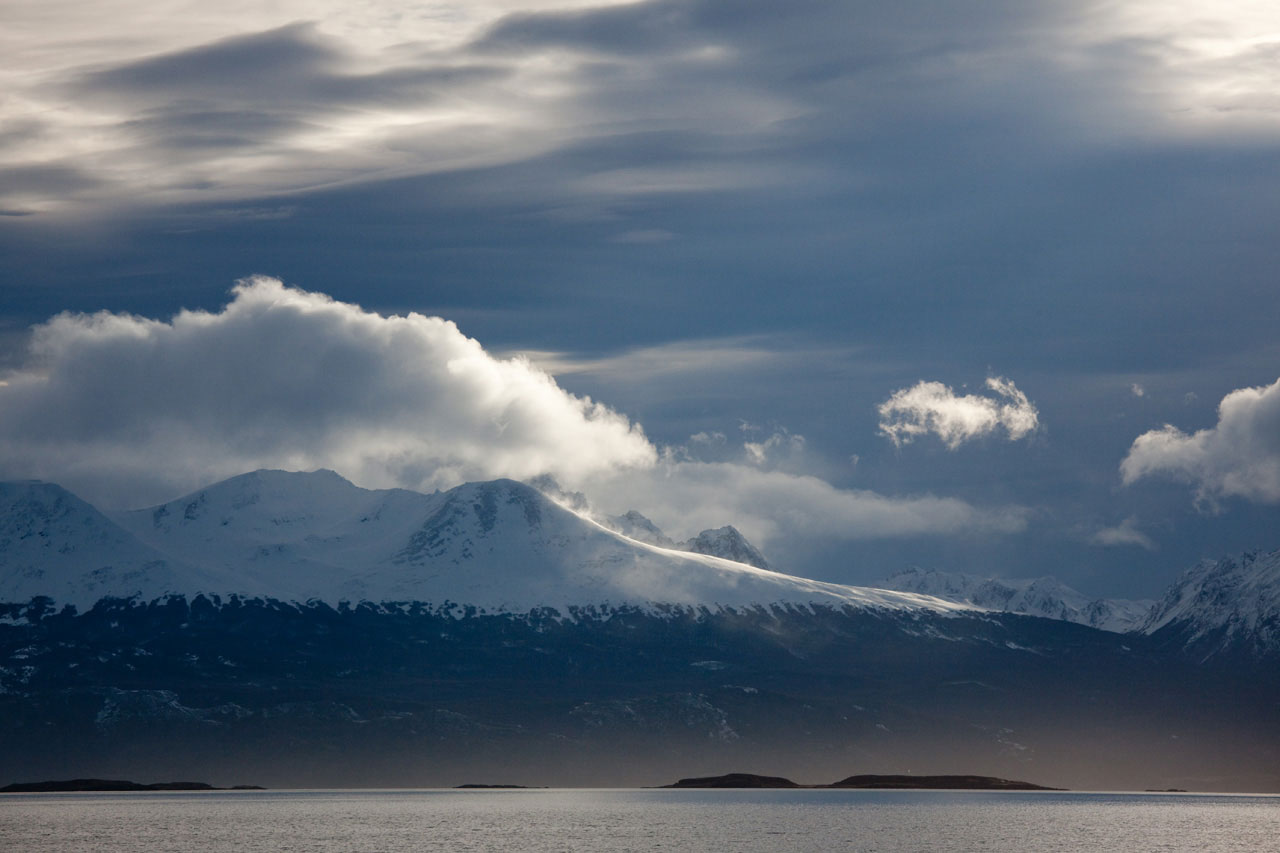
Soft light describes the type of light that you find in the shade or on a cloudy day. Any shadows have soft edges. Soft light, especially on a cloudy winter’s day, can seem grey and dull, without much potential for photography.Soft light is great for taking photos of people, especially portraits. If you’re outside on a sunny day, taking photos of people, find some shade and take photos of them there. The results will be much better.Soft light is also suitable for taking photos in rainforest and woodland, and for still life and flowers. On a cloudy day, avoid including the sky in your photos – it usually just comes out white.
Backlight

Backlight is created when the light source is behind the subject. Backlight, like hard light, has lots of contrast. Also like hard light, it’s normally best for photos at the end or the start of the day. Backlighting from the sun at any other time of the day has too much contrast. Backlighting is good for landscapes, portraits and architecture. It’s a powerful, moody, evocative type of lighting. It is very dramatic if combined with weather conditions like mist or fog.
Dramatic Light

Dramatic light is created by dramatic weather such as a thunderstorm. It’s the type of light that you see when the clouds clear after a rain storm, or if the sun breaks through the clouds on a rainy day near sunset.Dramatic light is ideal for photographing landscapes, seascapes and architecture – almost anything outside. If you are confronted with a scene lit by dramatic light, treat it as a gift and take as many photos as you can while it lasts. Dramatic light normally doesn't last very long, and it may not return.
I will use this knowledge combined with my previous research of press photography to create something worthy of being placed on the front page. I have decided that I will place a studio shot image as the main image for my newspaper because this allows me to make sure I can take the perfect photograph. By setting the lighting right and alining the backdrop hopefully my photography will attract a younger audience because it will give the newspaper a fresher feel. This research is key to my project because it allows me to gain knowledge in areas that I normally would dismiss and rely on others to help me. Now I feel more confident in setting up a studio with the right amount of light and hopefully will show this in my upcoming shoots.
I will use this knowledge combined with my previous research of press photography to create something worthy of being placed on the front page. I have decided that I will place a studio shot image as the main image for my newspaper because this allows me to make sure I can take the perfect photograph. By setting the lighting right and alining the backdrop hopefully my photography will attract a younger audience because it will give the newspaper a fresher feel. This research is key to my project because it allows me to gain knowledge in areas that I normally would dismiss and rely on others to help me. Now I feel more confident in setting up a studio with the right amount of light and hopefully will show this in my upcoming shoots.


